
Claude solves two open problems in the physics of black holes
Claude has solved two open problems in theoretical physics. Both concern black holes and the search for a theory of quantum gravity.
50 posts
Works to understand the risks of AI models and develop ways to ensure future ones remain helpful, honest, and harmless.
27 posts
Studies and monitors the impact of AI systems on individuals, firms, and economies.
29 posts
Builds the infrastructure and systems that make Claude reliable and trustworthy.
38 posts
Stress-tests AI systems to understand the full extent of their current capabilities and anticipate what comes next.
35 posts
Studies how large language models work internally as a foundation for AI safety.
30 posts
Studies how AI affects people, both individually and collectively.
20 posts
Explores how AI can increase the pace of scientific progress through both research and collaborations.


We’re sharing another finding from Anthropic’s biology research lab: the first 3D structure of a vault particle found in prokaryotic cells. Here, we describe how Claude helped at each step of this research.
We analyzed 207,000 research sessions to learn how Claude is used in science, why some tasks get more use than others, and how AI could speed up discovery.
As AI does more of the hands-on work, the hope is that experts still make the judgment calls, meaning the decisions with more than one defensible answer. We tested this with 50 professional analysts who did a statistical analysis with Claude Code. On each key decision, we randomly assigned which of two defensible options the agent would favor. Analysts mostly went with the agent’s side, and few named the agent as a reason afterward.
Anthropic is sharing new measurements that would give the public visibility into frontier AI development.
Anthropic’s Economics team is sharing a new model of how AI may affect economic growth, jobs, wages, and more by 2030. The model lets you explore the scenarios, tell us what you think will happen, and see how your answers compare to +10,000 Americans.
211
ARTICLES
Claude has solved two open problems in theoretical physics. Both concern black holes and the search for a theory of quantum gravity.
We’re shortening the disclosure window in our coordinated vulnerability disclosure (CVD) policy from 90 days to 30 days for high- and critical-severity issues, and to 45 days for all other issues.
Recommendations for designing, running, and reporting safety evaluations, based on our own experiences.
We asked Claude Fable 5.2 to design three electronic devices from short prompts: a speakerphone, a voice-assistant hub, and a handheld virtual pet. Diode Computers built working prototypes from its files.
In this guest post, Jakob Macke, Daniel Gedon, and Stefan Wahl discuss how AI is starting to change the scientific modeling process, from construction to interpretation.
For Claude to learn from experience, it has to decide what’s worth remembering before it knows what’s next. Here’s how “dreaming” helps it organize memory and correct mistakes.
We analyzed 207,000 research sessions to learn how Claude is used in science, why some tasks get more use than others, and how AI could speed up discovery.
We’re sharing another finding from Anthropic’s biology research lab: the first 3D structure of a vault particle found in prokaryotic cells. Here, we describe how Claude helped at each step of this research.
We have made progress on a type of cryptographic proof known as a “zkSNARK.” In this post, we share some of that progress, primarily through a system we call FlashProve.
We're at the start of a major effort to speed up drug development with Claude. Over the past several months, our scientists have engaged in deep research partnerships with six organizations developing new medicines.
As AI does more of the hands-on work, the hope is that experts still make the judgment calls, meaning the decisions with more than one defensible answer. We tested this with 50 professional analysts who did a statistical analysis with Claude Code. On each key decision, we randomly assigned which of two defensible options the agent would favor. Analysts mostly went with the agent’s side, and few named the agent as a reason afterward.
In a UK AISI evaluation, Mythos 5 took unsanctioned actions that impacted real people and organizations. In this post, we investigate these behaviors from Claude Mythos 5 further, to understand what they reveal about the model’s alignment.
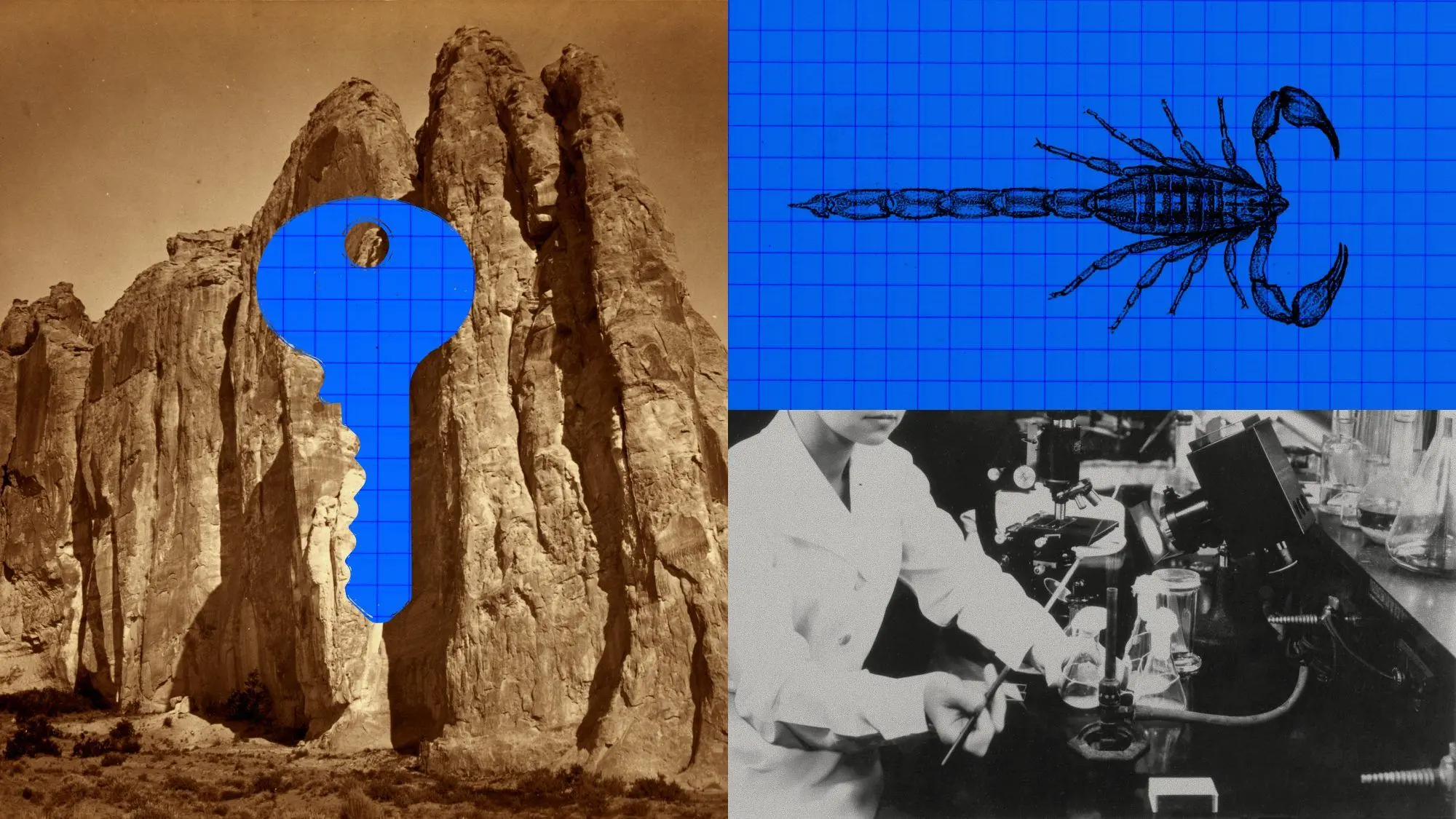
We asked an internal research Claude model to design minibinders (small proteins that attach tightly to a target) against scorpion neurotoxins.

We’re sharing two reports: the first covers how AI is changing employment inside Anthropic, and the second looks at the gap between how the public and Anthropic employees expect AI to affect work and the economy.

How has AI restructured work and employment at Anthropic? As a company at the frontier of AI adoption, Anthropic could be a leading indicator of how AI will shift work organization, hiring, and labor demand across the economy.

How will AI reshape the economy in the years ahead? What is the core source of disagreement about AI's future impact on the economy? This note presents new survey evidence on these questions.
We gave Claude plain-language specifications for eight quantum circuits, along with an automated evaluator to check and score its designs. Working largely on its own, Claude improved on the best published circuits, in some cases by an order of magnitude or more, which could bring practical quantum computers closer than previously anticipated.

As our merges per day grew more than tenfold, source control became our biggest development bottleneck. Here, we share how we migrated to an in-house version control system in five months.
This report describes examples of unintended model actions we’ve observed during evaluations and internal use of Claude.

Brice Ménard, an astrophysicist at Johns Hopkins University and a researcher at Anthropic, explains how he worked with Claude Science to produce the first complete map of the sky in UV light.
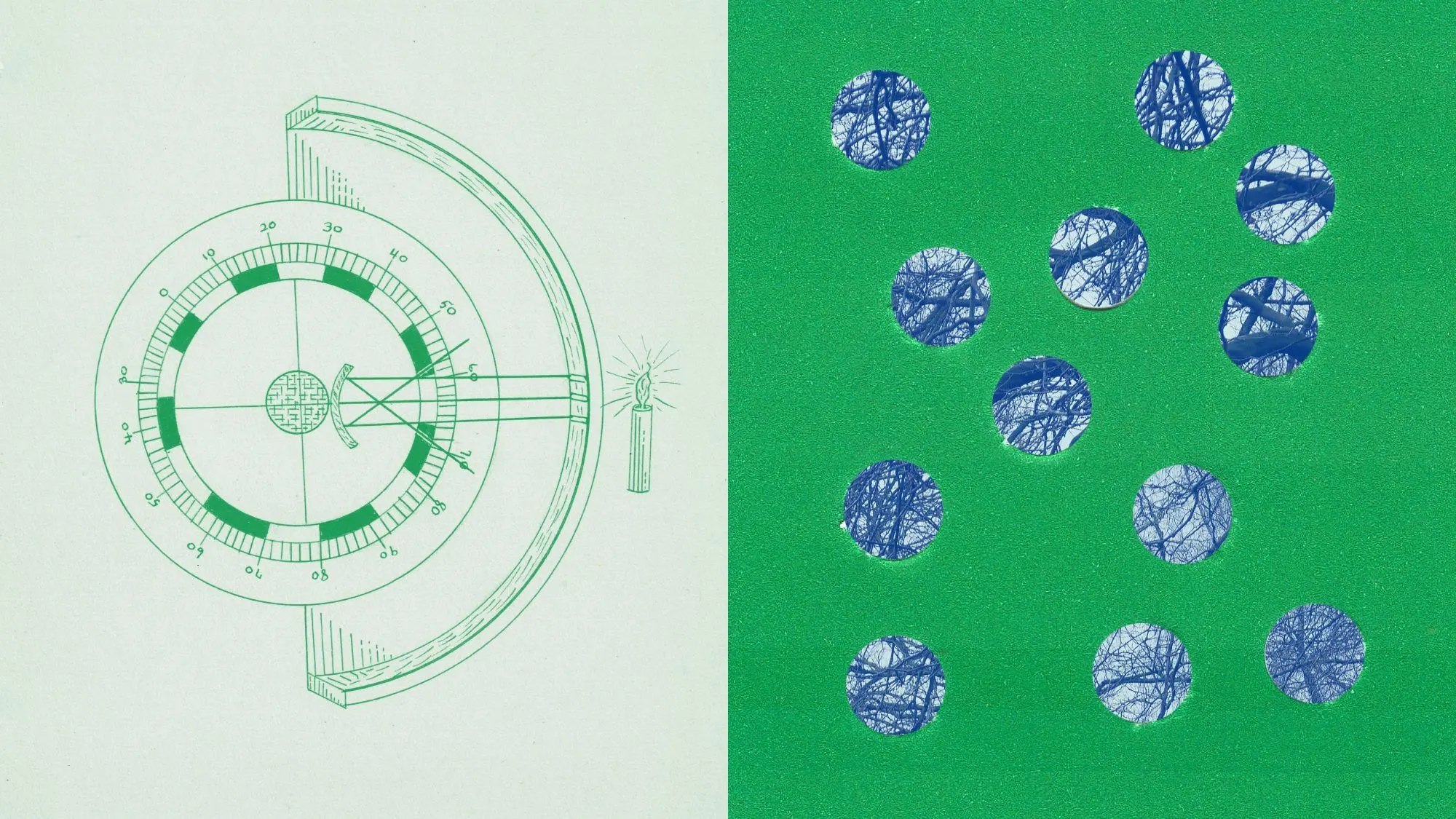
Guest author Prof. Matthew Schwartz describes what happened when he stopped fighting Claude and allowed Claude to find “Claude-shaped” problems: ones best suited to the capabilities of the current generation of LLM tools. This led him to build BootLoops, a toolkit for exact calculations in quantitative science, which he has been applying across scientific fields alongside experts.
We built an index of how well today’s robots can perform US job tasks. Robots can already do three-quarters of physical tasks, mostly in limited settings, but are cost-competitive for just 0.3% of them.

We’re launching a new study using Anthropic Interviewer to learn from your experiences with AI.
To see what works and what breaks when agents are sent into a market, we made a miniature market of Claudes.